Large Models and Agentic AI for Next-Generation Power System Load Management
Session Chair(s) and Speakers:
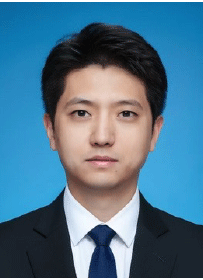
Jun Zhang
Jun Zhang, Professor at the School of Electrical Engineering and Automation, Wuhan University. He received his bachelor and master degrees in electrical engineering from Huazhong University of Scienceand Technology, Wuhan, China, in 2003 and 2005, respectively, and his Ph.D. degree in electrical engineering from Arizona State University, USA, in2008. His research interest covers intelligent systems, artificial intelligence, knowledge automation, and their applications in intelligent power and energysystems.
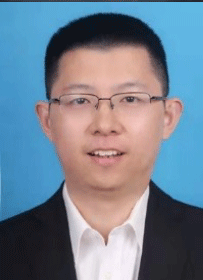
Huaiguang Jiang
Huaiguang Jiang (Senior Member, IEEE) received the B.E. degree in electrical engineering from the National University of Defence Technology, Changsha, China, in 2007, the M.S. degree in electrical engineering from the University of Electronic Science and Technology of China, Chengdu, China, in 2010, and the Ph.D. degree in electrical engineering from the University of Denver, Denver, Colorado, USA, in 2015. He is currently a Professor with the School of Future Technology, South China University of Technology. His research interests are phasor measurement unit application, renewable generation integration, smart grid, signal processing, time-frequency analysis, big data, and machine learning.

Xiaoran Dai
Xiaoran Dai is an Associate Research Fellow with the School of Robotics, Wuhan University, China. He received the B.Eng. degree in Automation from Wuhan University in 2017 and the Ph.D. degree in Control Science and Engineering from Wuhan University in 2023. He then conducted postdoctoral research at Wuhan University, where he was selected for the Hongyi Postdoctoral Program and supported by the National Postdoctoral Fellowship Program. His research interests include networked control systems, digital twins, predictive control, and intelligent energy systems, with a focus on networked DC microgrids, data-driven cooperative control, and resilient control under communication constraints. He has published more than 30 papers in journals and conferences. He is currently a Young Editorial Board Member of the Journal of Artificial Intelligence and Control Systems and serves as a reviewer for several high-impact journals.

Linhao Zhang
Linhao Zhang received the B.S. degree from Xidian University, Xian, China, in 2020, and the Ph.D. degree from the Institute of Electronics, Chinese Academy of Sciences, Beijing, in 2025. He is currently an engineer at China Electric Power Research Institute. His research interests include electric power artificial intelligence and multimodal learning.
Session Abstract
Modern power systems face unprecedented challenges in load management as renewable penetration rises, demand-side resources diversify, and operational data grows exponentially across heterogeneous modalities including time-series measurements, textual regulations, and visual inspection records. Conventional single-modality approaches are fundamentally limited in capturing the cross-modal semantics required for holistic load management decisions.
This special session explores how large models and agentic AI can establish a new cognitive infrastructure for power system load management. We invite contributions on: building domain-adapted multimodal large models through unified encoding of time-series, text, and image data with task-aware decoding strategies; designing autonomous agent systems that coordinate heterogeneous tools via formal communication protocols and hybrid memory mechanisms; ensuring reasoning trustworthiness through vector-symbolic integration and counterfactual verification grounded in domain knowledge graphs; enabling continuous model adaptation to evolving grid conditions via diffusion-based scenario synthesis and modular evaluation frameworks; and orchestrating multi-agent workflows through hierarchical task decomposition with capability-aware dynamic scheduling.
The session seeks papers that bridge AI foundations and power engineering practice, from novel architectures and training methodologies to field-deployed systems demonstrating tangible benefits in demand response, load forecasting, virtual power plant operation, and grid-edge intelligence. Both theoretical analyses and application-oriented studies are welcome.